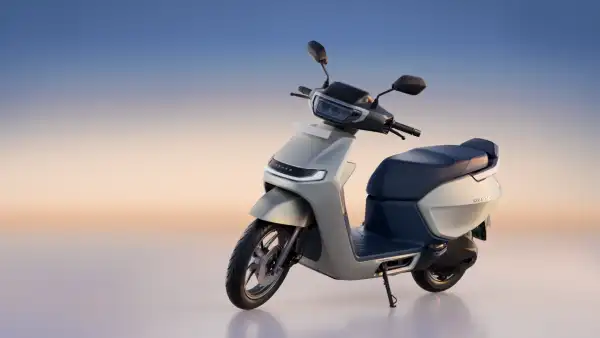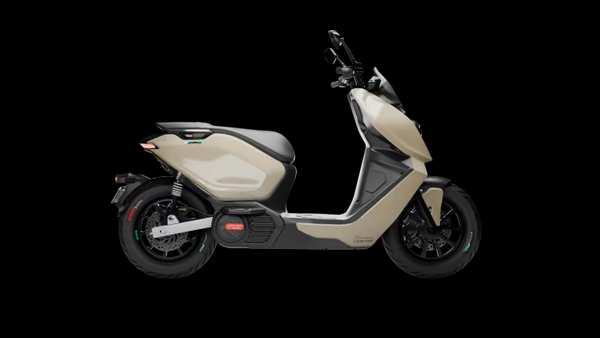


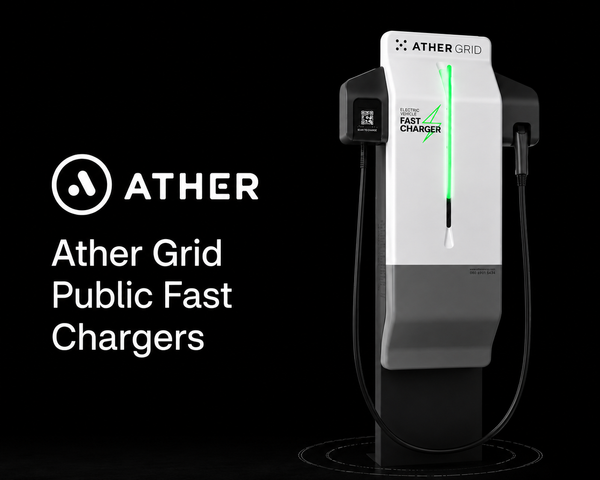
EV Charging Station
Ather Grid Fast Charging Station at Ather Service Center Tinkune
Gairigaon, Tinkune, Kathmadnu · Kathmandu Valley


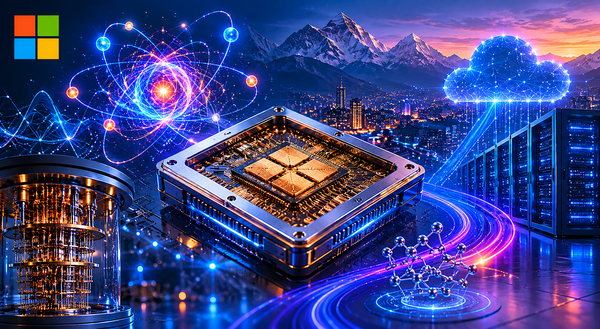
Quantum computing is no longer just a distant research idea. It is becoming one of the most closely watched frontiers in modern technology, and Microsoft's Majorana 1 chip is a major reason why. This post explains what quantum computing really is, how it differs from the computers we use every day, and why Majorana 1 could matter for the future of science and industry. Unlike classical computers that rely on bits set to either 0 or 1, quantum computers use qubits that can exist in multiple states at once through superposition. That ability lets them explore many possibilities in parallel, which is why they are so promising for problems that would take ordinary machines years or even centuries to solve. From drug discovery and climate modeling to artificial intelligence, cybersecurity, materials science, and financial forecasting, the potential impact is enormous. But quantum systems are fragile. Heat, vibration, and tiny amounts of environmental noise can introduce errors and wipe out useful information. Stability remains the biggest barrier to practical large-scale quantum machines. Majorana 1 is Microsoft's bold attempt to address that challenge with a different approach: topological qubits built around a Topological Core architecture. By combining semiconductors and superconductors under extreme conditions, Microsoft aims to create quantum states that naturally protect information and make future systems easier to scale. This blog walks through the science in plain language, compares classical and quantum problem-solving with a simple route-finding example, explores real-world use cases like medicine development, and explains why companies such as Google, IBM, Intel, and IonQ are racing in this space. It also looks honestly at the challenges that remain and why many experts still urge caution. If you want a clear, human-friendly guide to Majorana 1 and the bigger story of quantum computing, this article is written for you.
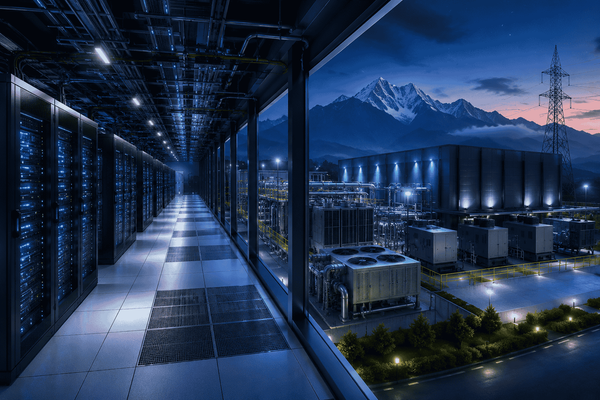
Nepal is entering a new era of digital infrastructure with Tier 4 hyperscale data centers, AI-ready cloud ecosystems, and local internet infrastructure. Discover how Nepal’s hydropower, cloud ambitions, and digital sovereignty goals are shaping the country’s technological future.
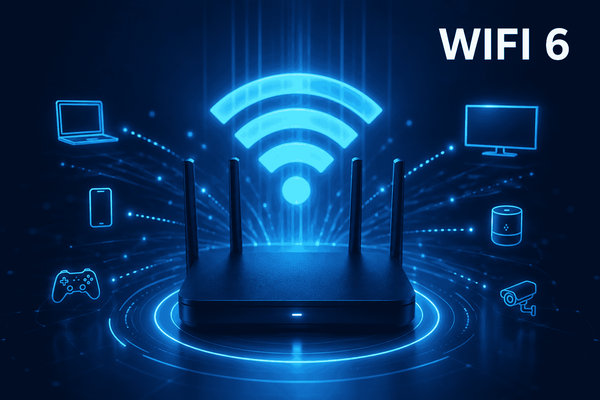
Wi-Fi 6 is the latest generation of wireless networking technology designed for faster speeds, lower latency, better security, and improved performance in crowded networks. Learn how Wi-Fi 6 works, its benefits, drawbacks, compatibility requirements, and how to check if your devices support it.
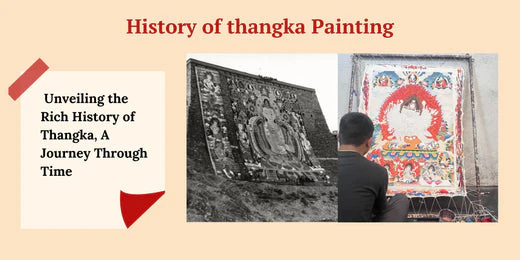
Thangka paintings, deeply rooted in Tibetan and Himalayan culture, are more than artworks—they carry rich spiritual and artistic significance. Originating in Nepal around the 7th century, Thangkas were initially used for religious meditation and instruction. Over time, these paintings evolved, incorporating natural pigments and precious materials, and expanded to include diverse themes like historical narratives and mythological tales. In Tibetan Buddhism, Thangkas serve as sacred objects that convey spiritual teachings and insights. The tradition has been carefully preserved through the efforts of artists, scholars, and enthusiasts, ensuring its legacy continues to inspire and enlighten people worldwide.
Welcome to 360 Nepal, your ultimate gateway to the heart of Nepal. We're passionate about showcasing the vibrant culture, delicious cuisine, and rich heritage of our beautiful country.
Our platform connects you with trusted local businesses, from hidden restaurants to boutique hotels, ensuring you experience the authentic Nepal.
Immersive 360° visuals and rich blogs bring Nepal's true spirit to your screen.
Whether you're planning a trip or exploring from afar, 360 Nepal offers an unparalleled digital experience. Explore more, connect deeper, and thrive with every click.